September 23, 2026
The Seafarers’ Charity Releases New Abandonment Films for World Maritime Day
To coincide with World Maritime Day, we’ve launched the remaining films in our “Smart Seafaring. A Safe Return” campaign. Our goal is to help seafarers and their families understand the risks of abandonment.
We’ve commissioned these films to help seafarers and their families identify potential warning signs of abandonment, take practical steps to protect themselves, and know where to seek help if things go wrong.
This year's World Maritime Day theme is “From Policy to Practice: Powering Maritime Excellence." That’s why we’re highlighting the importance of practical, accessible support for those working at sea.
All three animated films are now available alongside downloadable guidance in six languages common among seafarers.
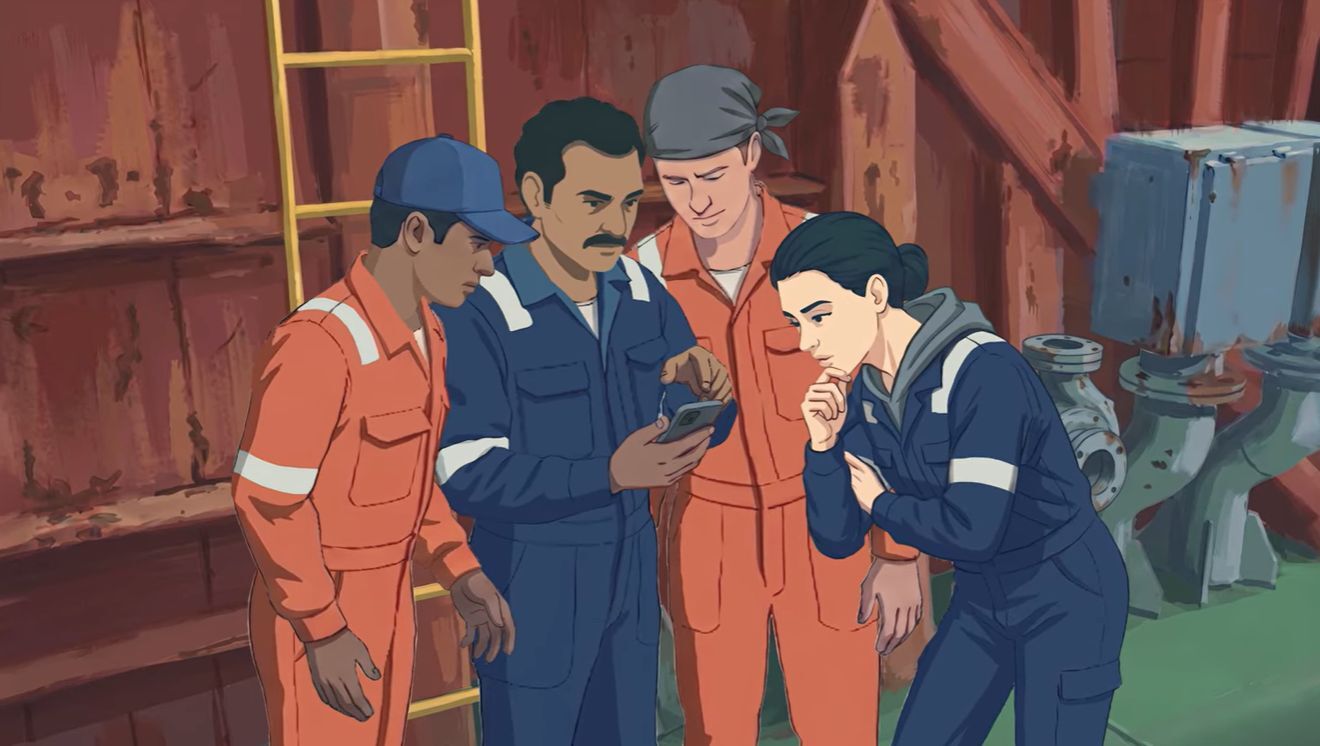
Abandonment occurs when shipowners fail to pay wages for at least two months, cease providing food, fuel or essential supplies, or simply disappear, leaving crews stranded. According to the International Transport Workers’ Federation, 2025 was the worst year on record, with 410 vessels abandoned and 6,223 seafarers affected, an increase of more than 30% compared with 2024.
“
Policy only makes a difference when it's put into practice. For seafarers, that means making sure they have access to clear information that can help them make informed decisions and know where to turn. By making guidance available in common seafaring languages, we can reach more seafarers and their families with information that could help them avoid the devastating consequences of abandonment.”
Deborah Layde
chief executive of The Seafarers' Charity
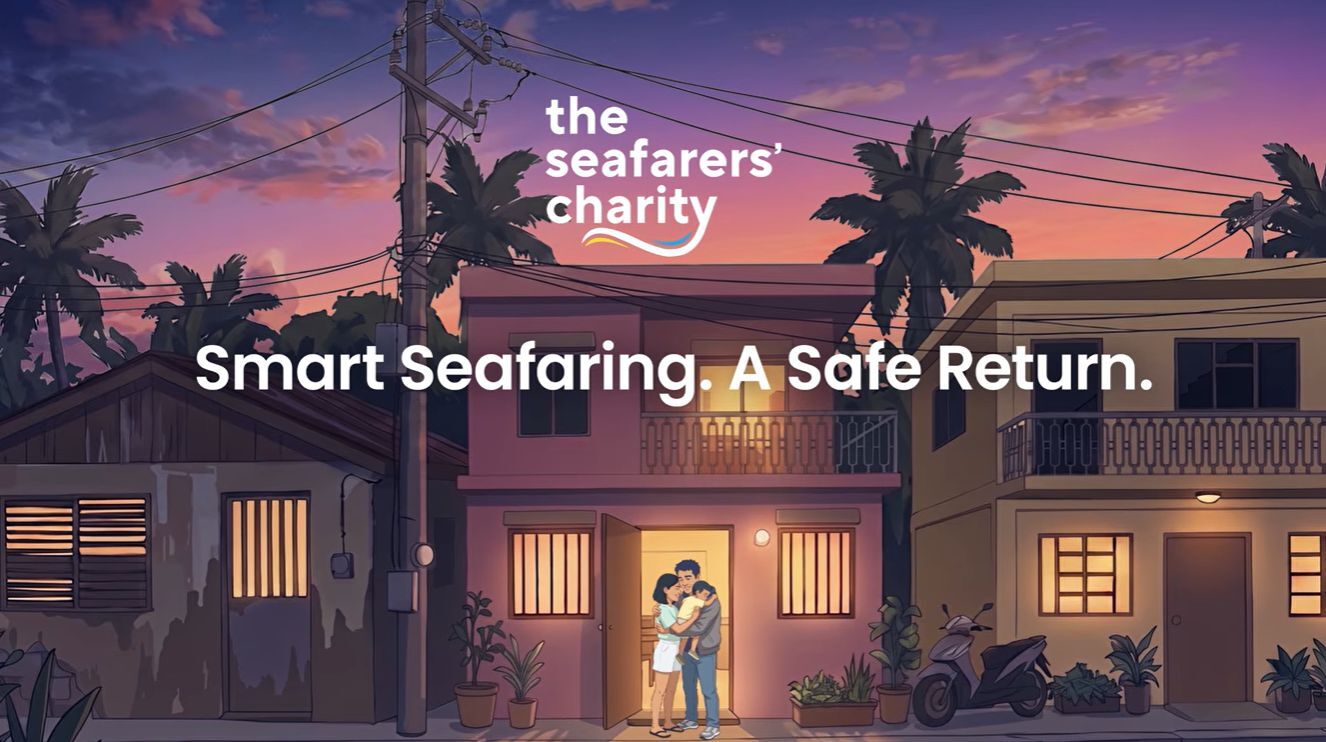
'Smart Seafaring. A Safe Return' was launched in June to coincide with 2026's 'Day of the Seafarer'. The campaign uses short animated films and practical guidance to make a complex and often difficult subject easier to understand.
The completed resources cover the key stages of a seafarer’s journey, from considering a new job and checking the legitimacy of an employer or vessel, through to understanding what to do if wages are not paid or a seafarer is left without the support they are entitled to.
Alongside the animations, downloadable guidance is now available in Arabic, Bahasa, Mandarin, Hindi, Russian and Tagalog, helping to remove language barriers and make the information more accessible to an international workforce.
We’re encouraging maritime employers, training providers, welfare organisations, unions, charities and other organisations working with seafarers to share the resources with them.